Grant Thornton UAE’s flagship CFO report reveals how finance leaders are navigating technology, liquidity, risk, ESG and talent in a fast‑changing environment.

Getting started with decarbonisation requires moving from strategy to action. This article outlines five key steps: securing leadership buy-in, measuring emissions, setting credible targets, embedding carbon into core decisions, and building long-term capability. With tightening disclosure rules and UAE’s Federal Decree-Law No. 11/2024, organisations must act now to reduce risks and unlock value. Grant Thornton helps businesses integrate climate goals into operations and ensure compliance while driving efficiency and growth.
This article from Grant Thornton UAE explains why decarbonisation is becoming a core business strategy. It covers global disclosure trends, investor and market pressures, and practical steps for integrating carbon reduction into operations for long-term advantage.
Sustainability is a team sport, but more and more companies in face of increasing regulatory compliance and stakeholder expectations are looking for someone to be the captain. While passion for the subject is often a common attribute of people in these roles, more traditional skills are equally if not more important for successful integration of sustainability into business as usual. Here we take a look at a selection of the components that can help make this role a success.
What’s become increasingly clear from Grant Thornton’s latest International Business Report (IBR) research is that these businesses view sustainability as a path to growth, not an obstacle – and certainly not a compliance box to be ticked. They value the commercial opportunities sustainability can bring and are putting significant resource behind it. We see that firms in all regions remain committed to sustainability, largely because of the long-term benefits they perceive it brings to profit, revenue and international expansion. As such, their drive to build sustainability within their businesses is unwavering. It is a drive from which I believe we will all benefit.
In 2023, the International Sustainability Standards Board (ISSB) issued its first two international IFRS Sustainability Disclosure Standards (IFRS SDS), IFRS S1 ‘General Requirements for Disclosure of Sustainability-related Financial Information’ and IFRS S2 ‘Climate-related Disclosures’.
In a new Grant Thornton series on trending international insights, we examine the wider impact of tariffs on the mid-market, where a dip in market confidence at the start of 2025 was just the start of more to come. The global economy may suffer further as trade tensions and uncertainty persist, but if there’s a silver lining, its likely to be found in the mid-market – the most resilient and opportunistic segment of the business landscape.
In the next edition of Grant Thornton’s series on trending international insights, we examine how a shifting economic landscape can offer the mid-market an opportunity to grow while their larger counterparts opt to ‘wait and see.’ Our report highlights key trends such as digital trade, supply chain resilience, shifting trade agreements, and the impact of geopolitical uncertainty on international commerce.
Are energy costs affecting your business? Here’s what you need to know. Rising energy costs are a concern for global mid-market businesses, impacting operational expenses and long-term planning. The UAE has made significant strides in diversifying its energy sources. Grant Thornton has consulted with global energy industry leaders to understand how businesses are navigating these changes. For more detailed insights on the report, you can find the full article in the link below.
Organisations are rapidly embracing this shift, integrating ESG practices into their strategies to mitigate risks, build resilience, and unlock sustainable growth. Meanwhile, regulators and policymakers recognise the need for a supportive ecosystem that empowers businesses on this journey while fostering sustainable economic development.
The Food and Beverage (F&B) sector has continued to grow and show resilience to macro-economic headwinds in 2023, evidenced by strong deal flow and capital raisings in the UAE and broader GCC. Following on from our Q1 2023 update, we are delighted to share our latest F&B edition, summarising key themes, issues and activity in the sector.
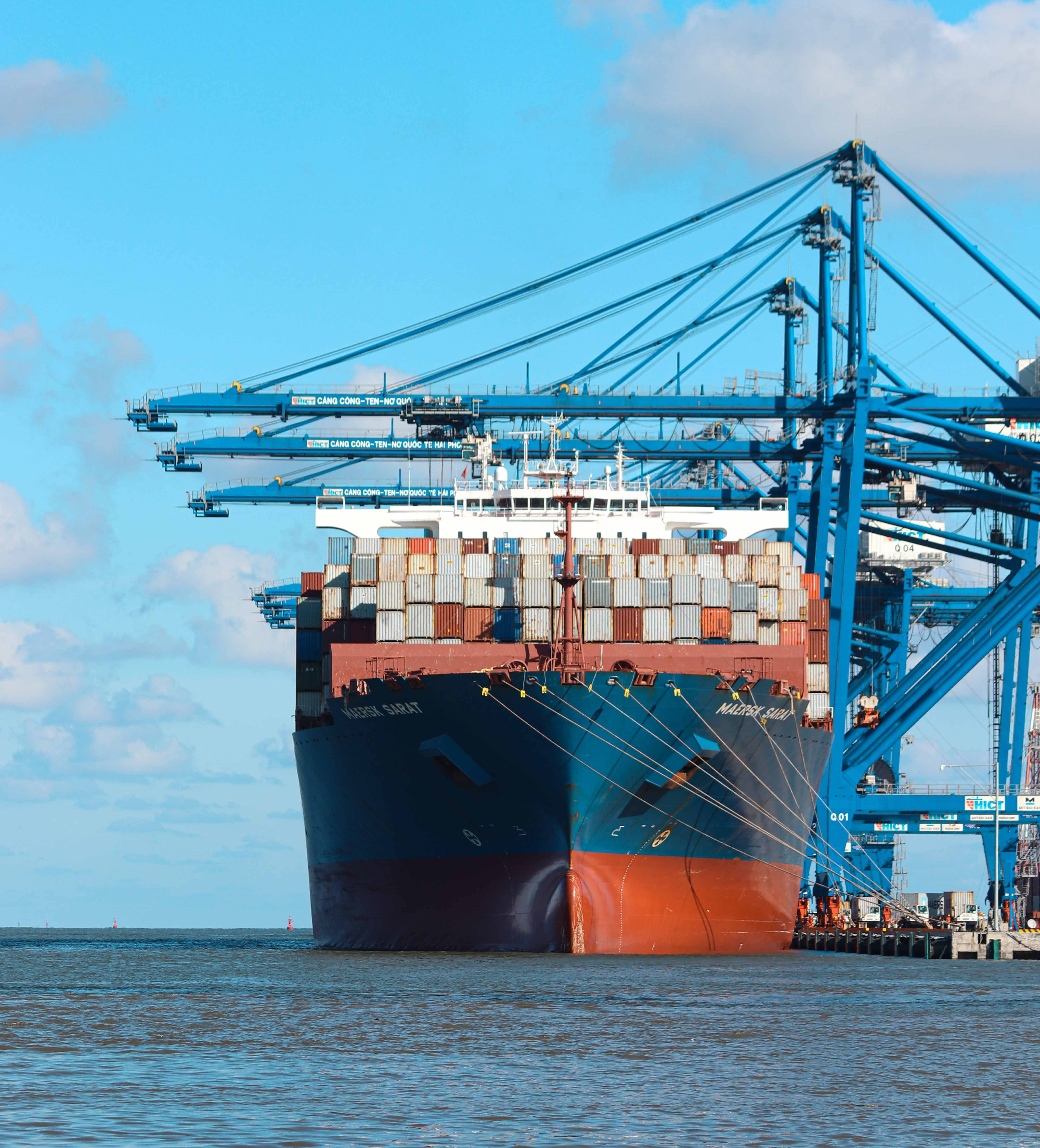
The regional logistics sector has had a positive start to 2023, primarily driven by a stable macro-economic environment, proactive government policies, increasing demand for logistics services and growing investor confidence in the sector's long-term potential. As a result of these factors, the sector continues to see increasing levels of deal activity, with many high-profile acquisitions, partnerships, and collaborations taking place.
The logistics sector has had a positive start to 2023, primarily driven by a stable macro-economic environment, proactive government policies, increasing demand for logistics services due to the growth of e-commerce, technological advancements, and growing investor confidence in the sector's long-term potential.
The regional economy performed strongly in the fourth quarter of 2022 owing to a successful FIFA World Cup, a booming tourism season, and favorable trade agreements being signed by energy exporters. Furthermore, the quarter saw an influx of new capital as international and domestic investors opened new offices in the region.
M&A activity in the regional logistics sector continues to be buoyant, fueled by the proliferation of trade agreements, a growing expat population and the continuing e-commerce boom.
Amidst global economic uncertainties, the MENA region is on a growth trajectory fuelled by elevated oil prices and accelerating business-friendly reforms. The global logistics market is estimated to be $9.1Tn in 2022 and is expected to reach $12.3Tn by 2027, growing at a CAGR of 6.2%. A combination of initiatives by regional governments and developments in e-commerce are driving the growth in logistics and warehousing activity in the region.