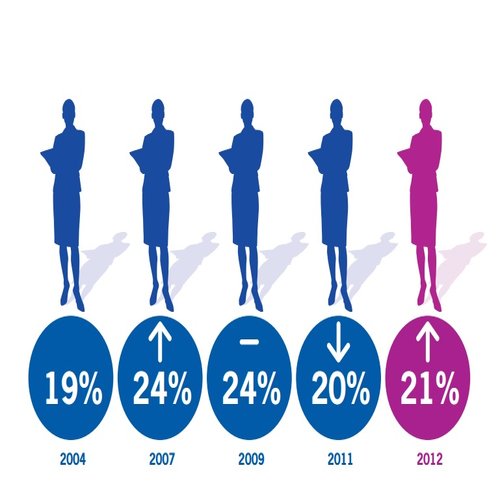
For the past 17 years, Grant Thornton has been tracking the global progress of women in senior management. Globally, female leadership positions passed the crucial 30% mark. In the UAE, we have recorded a 9% increase of female CEOs in the past 12 months, which sets the tone for a growing gender inclusive workforce in the GCC region.
Each year Grant Thornton releases a comprehensive IFRS guide to the market where we cover both the new standards as well as any amendments that have been made to existing ones. This publication is designed to give preparers of IFRS financial statements a high-level awareness of recent changes to International Financial Reporting Standards.
Over the last 12 months, our women in business research has drilled down into the gender diversity stats of mid-market organisations around the world, looking at how the numbers are changing, and most importantly, what businesses are doing to make them change.
Our annual report on women in business reveals that introducing policies alone is not enough to drive real progress, and that gender diversity gaps remain at a leadership level. If policy is not driving more women to the top, despite widespread use, then what will?
The gender diversity issue has been on the business agenda for many years now, yet a third of businesses still have no women at a senior management level. We know that significant performance benefits come with having a diverse leadership team and there are certainly a large number of women capable of joining such teams.
In 2017, leadership teams are grappling with new conditions of global risk. With few predicting the happenings of recent years, businesses around the world are striving to prepare for the further possibility of inconceivable events.
Our 2015 women in business report looks at how to facilitate the career paths of women into senior management and offers 12 recommendations to society, government, businesses and women themselves about how to better support female advancement.
Private equity has always focused on creating value and helping promote growth in portfolio companies. Since the industry began, private equity firms have tried many ways to meet this ultimate objective – and with varying success. Now, post the global financial crisis, the question being asked more than ever is: how can private equity deliver its value-added promises?
Investor calls for transparency and the rise of social media have thrust the impact businesses have on the economy, the environment and society more firmly into the spotlight. Drawing on more than 2,500 interviews with business leaders in 34 economies, Corporate Social Responsibility: beyond financials, looks at how companies are responding to this challenge; how they are making their operations more sustainable and what role they feel integrated reporting can play.
Our International Business Report with insights gained from in-depth interviews with five senior female executives from around the world, this report looks at the role of education in improving female participation and how this can help boost business growth.
Private equity firms around the world are adapting to a 'new fundraising road map', according to the Grant Thornton Global Private Equity Report 2013/14.