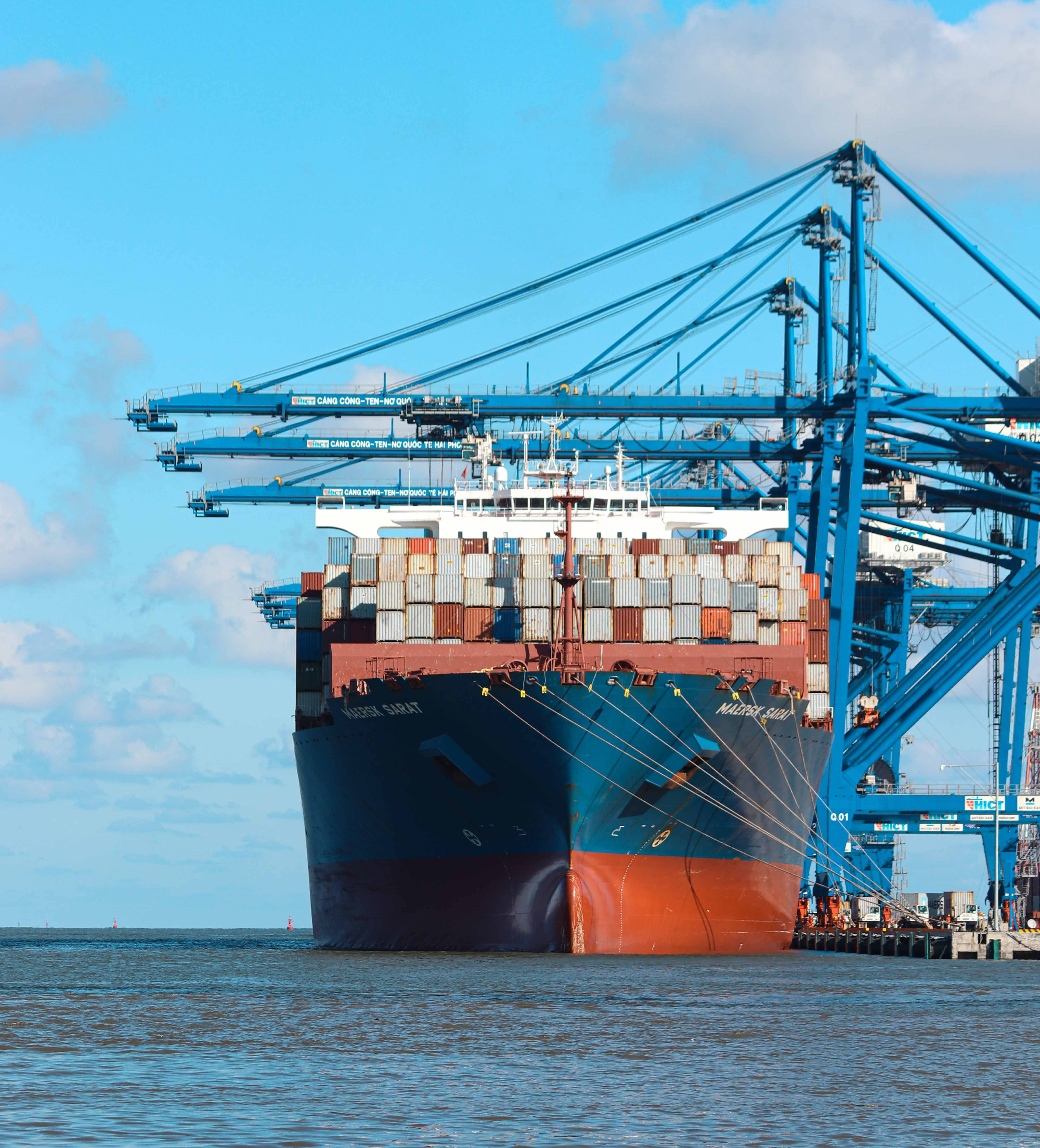
The logistics sector has had a positive start to 2023, primarily driven by a stable macro-economic environment, proactive government policies, increasing demand for logistics services due to the growth of e-commerce, technological advancements, and growing investor confidence in the sector's long-term potential.

M&A continued to prosper in the first five months of 2022 after a record-breaking year in 2021, although the 16 June 2022 US Federal Reserve Bank interest rate increase coupled with increased macroeconomic uncertainty marked a significant turning point for the global deal market.
Grant Thornton’s International Business Report (IBR) has been casting a light on the issue of gender diversity in senior management at mid-market businesses for 19 years, exposing barriers and identifying facilitators of change.
In spite of the global downturn in the capital markets, the UAE has not only resisted this trend but has even shown record levels of IPO activity. This trend is likely to continue and provide organisations and shareholders new avenues for growth.
The regional economy performed strongly in the fourth quarter of 2022 owing to a successful FIFA World Cup, a booming tourism season, and favorable trade agreements being signed by energy exporters. Furthermore, the quarter saw an influx of new capital as international and domestic investors opened new offices in the region.
Heading towards the new year, food security remains on top of the agenda for the region, while enhancements in food tech, and the continued rise of meat and dairy alternatives providing have proved to be a nifty tool to combat lingering supply chain and labor shortages and addressing food security.
M&A activity in the regional logistics sector continues to be buoyant, fueled by the proliferation of trade agreements, a growing expat population and the continuing e-commerce boom.
Despite the recent global market downturn and recession fears, economic sentiment remains strong within the GCC region on the back of growth in the tourism and oil.
Spurred on by government initiatives and the emergence from COVID-19, the GCC IPO markets are now seeing unprecedented levels of activity, captivating institutional and retail investors alike.
Amidst global economic uncertainties, the MENA region is on a growth trajectory fuelled by elevated oil prices and accelerating business-friendly reforms. The global logistics market is estimated to be $9.1Tn in 2022 and is expected to reach $12.3Tn by 2027, growing at a CAGR of 6.2%. A combination of initiatives by regional governments and developments in e-commerce are driving the growth in logistics and warehousing activity in the region.
Q1 has seen a continued rise in deal activity in a number of sectors within our M&A and Transactions Advisory team. Following on from our Q4 2021 update, we are delighted to share this quarter's Food & Beverage (F&B) edition, summarising key themes, issues and activity in the sector. It has been a busy start to the year in F&B across the GCC and broader MENA region and we will continue to watch closely throughout the year.
We, at Grant Thornton UAE (“GT”), believe in fostering gender balance in the workforce, as a matter of purpose. We’ve seen the positive, tangible effects when organizations put this view into action and how this translates into a bottom-line enhancing position.
The world’s leading survey of mid-market companies, Grant Thornton’s IBR, once again provides vital insight into the health of the global mid-market. These results for H1 2019 reflect the views of nearly 5,000 mid-market companies across 30+ countries interviewed in May and June of this year.
Our annual report on women in business reveals that introducing policies alone is not enough to drive real progress, and that gender diversity gaps remain at a leadership level. If policy is not driving more women to the top, despite widespread use, then what will?
The gender diversity issue has been on the business agenda for many years now, yet a third of businesses still have no women at a senior management level. We know that significant performance benefits come with having a diverse leadership team and there are certainly a large number of women capable of joining such teams.
The gender agenda and the benefits of having a diverse board and workplace has long been studied, yet we still see no significant change.