The next chapter will be built by a wider range of voices

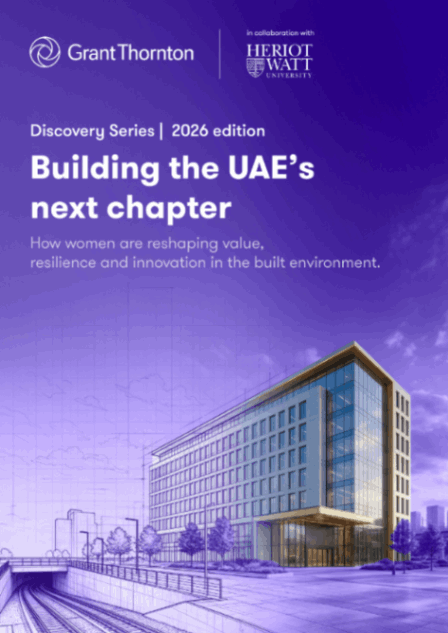
Developed in collaboration with Heriot-Watt University Dubai, this year’s Discovery Series explores how women are contributing to the built environment – an expansive and economically significant sector in the UAE’s growth journey.

For two decades, the UAE has been recognised for landmark developments such as the Burj Khalifa, Palm Jumeirah and Yas Island. The country’s built environment is now evolving toward connected infrastructure, greater geopolitical resilience, AI adoption, sustainability and more human-centred communities.

This transformation creates a business imperative as well as a design challenge. As projects become more complex, data-driven and sustainability-focused, organisations will need to access diverse skills, embrace innovation and build future-ready leadership. 

In our latest report, we spoke to five women across construction, technology, real estate, architecture, sustainability advocacy and education. Their stories highlight the important role women are already playing in leading this transformation, while offering practical insight into how organisations can create long-term commercial, societal and environmental value. 

Through research and interviews with leaders across the sector, the report examines the importance of diverse perspectives, technology and human-centred design in building resilient and sustainable cities, infrastructure and communities. 
“Diverse leadership strengthens decision making by expanding ideas, experiences and solutions. By creating cultures where women are visible, supported and empowered to lead, businesses are better equipped to drive innovation and long-term value creation."
Hisham Farouk Chief Executive Officer, Grant Thornton UAE

A sector central to the UAE’s future

The built environment is integral to every aspect of economic and community life, from homes and workplaces to transport, utility networks and critical national infrastructure.

The report finds that more than one-fifth of the UAE economy is directly connected to construction and real estate. In 2025, construction represented 12.9% of the UAE’s GDP, while real estate added a further 7.4%. 

Scale alone, will not determine future success. Infrastructure, energy, mobility and urban development are becoming more interconnected. Leaders must balance commercial viability with sustainability, technology integration and long-term social impact. 

Real voices shaping the built environment

In this report five leaders across the built environment share their perspectives on the need for gender diversity, overcoming barriers, human-centric communities and innovation, AI and sustainability. 

Read their stories.

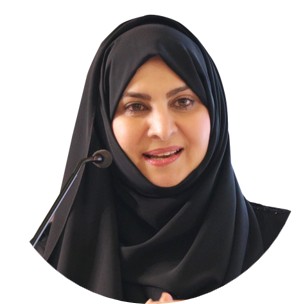
Dr Habiba Al Mar’ashi

Dr Habiba Al Mar’ashi

Co-founder and Treasurer / Board Member, Emirates Green Building Council

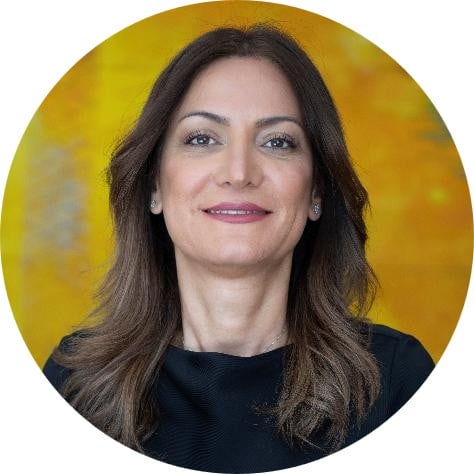
Mireille Azzam-Vidjen

Mireille Azzam-Vidjen

Executive Director and Head of Strategic Consulting, Middle East and Africa, JLL

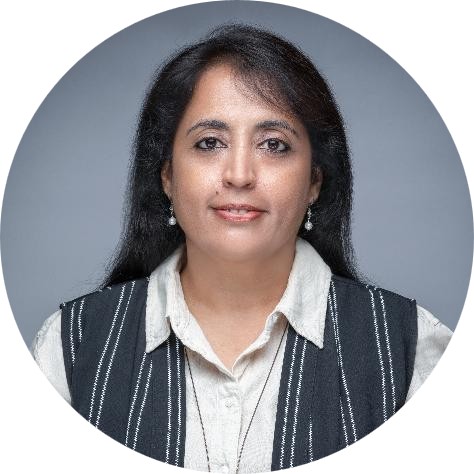
Dr Harpreet Seth

Dr Harpreet Seth

Head of Architecture and Associate Professor, Heriot-Watt University Dubai

Leila Sobek

Leila Sobek

Founder and Director, BMA Studio

Dr Sonia Zahiroddiny

Dr Sonia Zahiroddiny

Chief Information Officer, Innovo Group

FEATURED INSIGHT

Technology does not replace human judgement

AI can help interrogate large datasets, identify patterns, measure environmental impact and improve project delivery. Robotics can support complex fabrication and reduce exposure to high-risk physical tasks. Digital twins can help model how infrastructure and cities perform under changing conditions.

Yet the report’s contributors are clear that technology works best when paired with professional judgement, field knowledge, creativity and human insight.

The opportunity for businesses is to use technology strategically to create safer, more resilient infrastructure and spaces that respond better to the people who use them.

Key priorities for business leaders

The opportunity for business leaders is not simply to attract diverse talent, but to ensure it progresses into positions of influence. Broader leadership pipelines bring more perspectives to the table, helping organisations navigate increasingly complex and multidisciplinary challenges.

The opportunity is to look beyond physical scale and consider how development improves everyday life. Designing around accessibility, wellbeing, liveability and social connection can create places that better reflect how people live, move and interact, while building long-term relevance and resilience.

AI investment should start with a clear view of the value it needs to create. Business leaders should prioritise trusted data, fit-for-purpose technology, clear governance and strong human oversight, while defining success around tangible business outcomes from the outset.

Leading organisations are embedding sustainability into planning and design from the outset, shaping choices around materials, mobility, energy and long-term operations. For business leaders, the opportunity is to treat sustainability as a factor in resilience, efficiency and long-term value creation.

“The future will be shaped by the talent we develop today. When women leaders are visible, they do more than inspire others: they change how organisations think and work. Their influence paves the way for future generations to lead, innovate and create lasting economic and social impact.”
Professor Dame Heather McGregor Provost and Vice-Principal of Heriot-Watt University Dubai
Download the 2026 Discovery Series report

Download the 2026 Discovery Series report

Explore the data, leadership perspectives and practical implications shaping the UAE’s built environment. 

Download the full report [21748 kb]