
Lexis Middle East: a focus on Pillar Two governance
This article examines the significance of Ministerial Decision No. 96 of 2026 and why Pillar Two governance is increasingly extending beyond legislative compliance to encompass ongoing interpretative readiness, technical governance and alignment with evolving OECD guidance.
The article highlights:
-
How Ministerial Decision No. 96 of 2026 updates the UAE's recognised OECD Commentary and Administrative Guidance for Pillar Two, reinforcing alignment with the latest internationally accepted interpretations.
-
Why the OECD Commentary and Administrative Guidance play a critical role in the practical application of Pillar Two, influencing technical positions on areas such as effective tax rate calculations, deferred tax, tax credits and restructurings.
-
The growing importance of tax governance as multinational groups are increasingly expected to periodically reassess existing positions, assumptions and compliance frameworks against updated guidance.
-
How businesses can address interpretative risk by expanding governance processes beyond legislative monitoring to include ongoing developments in internationally recognised guidance.
-
Why consistency across jurisdictions remains a core Pillar Two objective, with continued alignment helping organisations strengthen compliance documentation, financial reporting and audit readiness.
This contribution encourages business leaders to take a proactive approach to tax management by strengthening governance, enhancing documentation and embedding tax considerations into wider business decision-making, helping organisations navigate an increasingly complex regulatory environment with confidence.
Read full article here
Experts / Authors
-
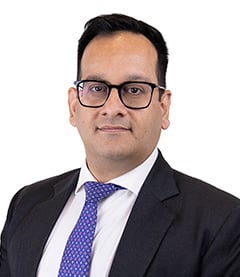 Anuj R. Kapoor Anuj has been instrumental in securing many high-profile clients and has served as Lead Client Partner on several priority accounts. He has successfully partnered on client engagements across country corridors, alliance partners, service line and sector focus initiatives. He has a proven track record of leading multi-disciplinary teams with a blend of strategic thinking and a strong endeavor to be ahead of the curve while pursuing success.
View Profile